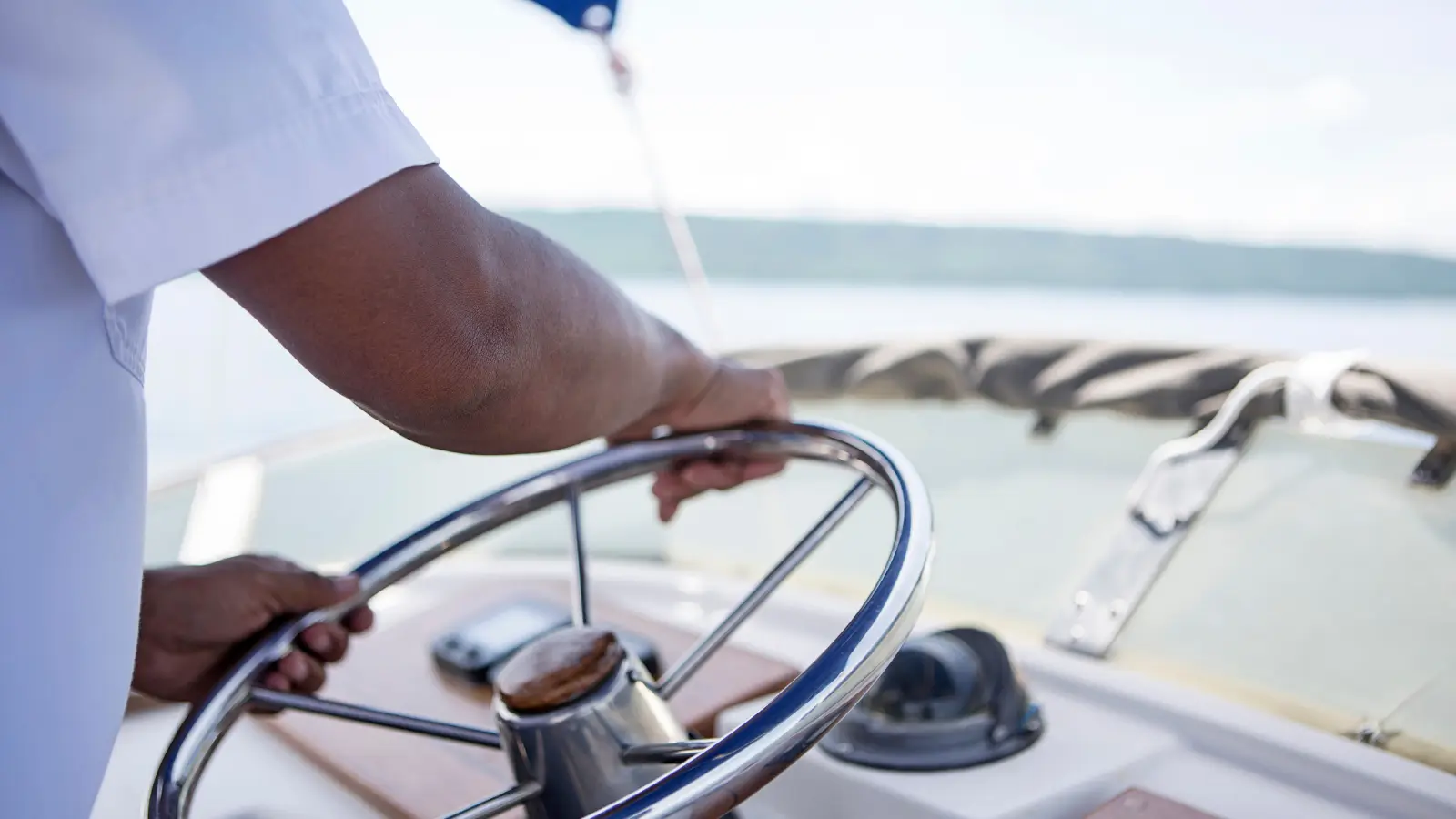
Your usual waterfront lunch stop may be packed. The fuel dock may have a line. The anchorage that felt quiet a few weekends ago may be much busier than expected.
That’s not just a Labor Day stereotype. The South Carolina Department of Natural Resources describes Labor Day weekend as one of the busiest boating times of the year on the state’s lakes and waterways. Even if you’re boating somewhere else, it’s a good reminder that the plan that works on an ordinary Saturday may need a backup over a holiday weekend.
Knowing where else you can fuel, dock, eat, or anchor before you leave gives you more room to adjust once you’re on the water.
Here’s how to get ahead of the crowds, conditions, and last-minute changes that can come with one of summer’s final big boating weekends.
1. Pick Your Destination… and a Plan B
Popular marinas, fuel docks, waterfront restaurants, anchorages, and boat ramps can get busy over a holiday weekend.
Choose your main destination before the weekend, then identify one or two alternatives nearby.
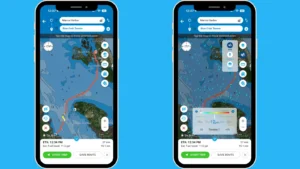
If you’re using Argo, Search can help you explore marinas, fuel docks, restaurants and bars, anchorages, boat ramps, and other destinations directly from the map. You can preview places, read reviews from other boaters, and save destinations you may want to use later.
If you reach your first stop and dock space is limited, the anchorage is packed, or the restaurant wait is longer than expected, you’ll already know where to go next.
The idea is to have options before you need them.
2. Plan the Route Before You Leave
Saving a route ahead of time gives you a chance to review the distance, estimated travel time, possible fuel needs, and the waterways you’ll be traveling through while you’re still at home or tied to the dock.
Argo lets you save a manually planned route or use Autoroute with Argo Premium. If you use autorouting, make sure your boat profile is current so Argo is working from the right vessel information.
A saved route is still only a starting point. Navigation aids, local regulations, traffic, weather, and other conditions can all require you to adjust once you’re underway.
3. Check the Conditions That Actually Matter on a Boat
“80 degrees and sunny” may sound perfect on shore, but it doesn’t tell you enough about what the trip will feel like on the water.
Wind, waves, tides, currents, visibility, rain, and thunderstorms can all change the trip. A calm morning can look very different by the time you’re heading home, especially if winds build or storms develop later in the day.
The National Weather Service recommends checking marine forecasts and staying aware of current advisories and warnings because weather and wave conditions can change quickly on the water.
Argo Premium’s marine weather tools can put that information alongside your route and map. Depending on your location, you can view seven-day forecasts along with wind, tides, currents, wave height and period, rain, lightning, and other marine conditions.
Argo Report Pins can add another layer of local information by showing hazards, map issues, weather, marine life, and other conditions reported by boaters.
Check the forecast when you make your plan, again before you leave, and keep watching conditions throughout the day.
4. Prepare for Losing Cell Service
If Labor Day takes you outside your usual cruising area, don’t assume your phone will have a strong connection everywhere.
Navigation information that loads instantly at the marina may be harder to access once you’re farther from shore or moving through an area with spotty service.
Argo Premium Offline Charts let you download chart areas before your trip so they remain available when connectivity is limited or lost.
Download the areas you’ll need before leaving home or the marina, while you know you still have a reliable connection.
5. Do the Dockside Safety Check
Before heading out, check your:
- Fuel
- Battery
- Lines
- Anchor
- Navigation lights
- Communications equipment
- Required safety gear
- Life jackets
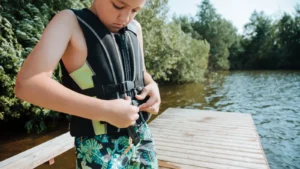
The life jackets are especially worth checking before anyone steps aboard.
According to the U.S. Coast Guard’s 2024 recreational boating statistics, 76% of fatal boating accident victims with a known cause of death drowned. Among victims whose life-jacket use was known, 87% were not wearing one.
Make sure there is an appropriate wearable life jacket for everyone onboard. The Coast Guard recommends wearing a life jacket while the boat is underway.
Everyone onboard should also know where you’re going, approximately how long you expect to be out, where the safety equipment is located, and what to do if the plan changes. Leave a float plan with a responsible person onshore before you head out.
If drinks are part of the Labor Day celebration, decide before departure who will operate the boat.
Alcohol was the leading known contributing factor in fatal recreational boating accidents in 2024, accounting for 92 deaths and 20% of fatalities where the primary cause was known, according to the Coast Guard.
Keep the captain sober and save the celebration for when the boat is safely docked for the day.
6. Leave Extra Time and Keep Everyone on the Same Page
More boats on the water can make even a simple trip take longer than expected.
Give yourself more time than you normally would for launching, fueling, getting to your destination, and getting home. A dinner reservation or planned meetup shouldn’t be the reason you rush through worsening weather, skip a needed fuel stop, or make a decision you normally wouldn’t.
If you’re meeting friends on the water, make sure everyone knows the general plan before leaving.
Argo users can share routes and places, create Groups, connect with other boaters, and choose to share their live location with friends. If several boats are meeting at the same destination, that can make it easier to see whether everyone is still headed to the same place or whether the group needs to adjust.
Leave room in the schedule for the day to change.
Helpful Argo Tutorials Before You Go
If you’re planning to use an Argo feature you haven’t tried before, the Argo Tutorial Library includes step-by-step guides for:
- Search and Preview Places
- Setting Up Your Boat Profile
- Autorouting
- Marine Weather
- Offline Charts
- Report Pins
- Groups
- Sharing Your Location
- Adding Friends and Seeing Other Boaters
It’s easier to learn a new feature at home than while you’re already underway.
Photo from Troy Olason
Enjoy the Long Weekend
Planning ahead means less time circling for dock space, scrambling for another fuel stop, figuring out what to do with poor service, or debating your next move when the weather changes.
Have a destination, a route, and a backup plan before you leave the dock.
Then go enjoy the long weekend on the water.
Sources
- U.S. Coast Guard, 2024 Recreational Boating Statistics — National recreational boating accident statistics, including data on drowning, life jacket use, and alcohol involvement.
https://www.uscgboating.org/library/accident-statistics/Recreational-Boating-Statistics-2024.pdf - U.S. Coast Guard, “Coast Guard Reports Fewest Boating Fatalities in More Than 50 Years” — 2024 national boating safety data, including alcohol-related fatalities.
https://www.news.uscg.mil/Press-Releases/Article/4231745/coast-guard-reports-fewest-boating-fatalities-in-more-than-50-years/ - South Carolina Department of Natural Resources, Labor Day Weekend Boating Safety — Guidance for Labor Day boating and information on increased holiday-weekend boating activity.
https://www.dnr.sc.gov/news/2025/Aug/Aug25-inspections.php