What if one boating trip could take you through more than a dozen states, two countries, the Great Lakes, historic canals, beautiful rivers, and thousands of miles of coastline before bringing you back to where you started?
That is the Great Loop, a roughly 6,000-mile journey that many boaters consider the ultimate boating bucket-list adventure.
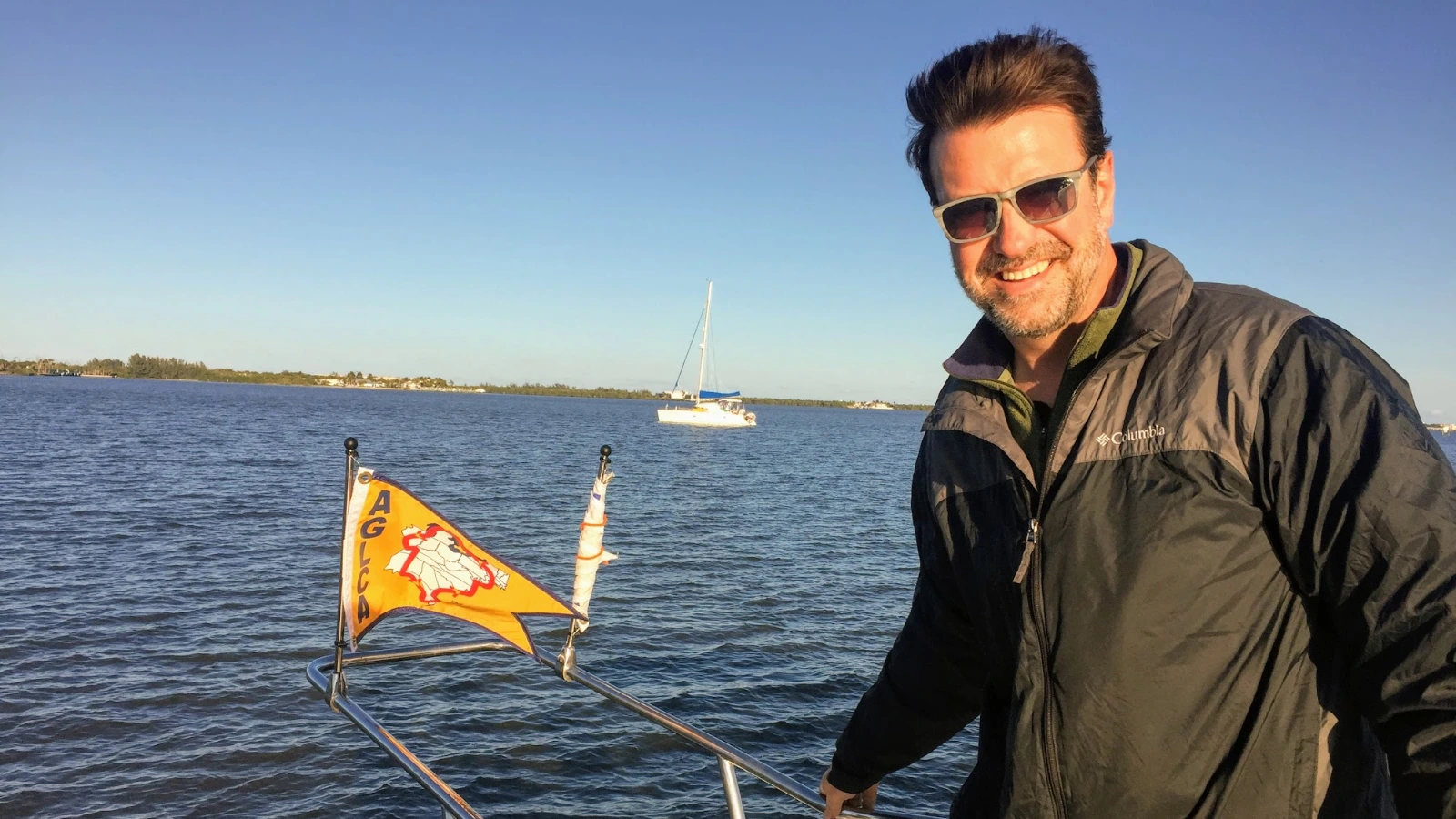
Every Great Loop journey is different. Some boaters complete the route in six to twelve months, while others spend years exploring charming waterfront towns, hidden anchorages, and unforgettable destinations along the way. Then there are boaters like Argo ambassador Robert Youens, who challenge themselves to complete the entire Loop in less than 20 days. There is no right pace and no single way to experience it. The Great Loop is about embracing the journey and making it your own.
A trip of this scale takes more than a full fuel tank and a sense of adventure. It takes planning. From mapping your route to choosing marinas, watching the weather, and navigating unfamiliar waterways, every decision shapes the experience. Whether you’re dreaming about completing the Loop or actively planning your departure, Argo makes it easy to build routes, save destinations, discover marinas, and confidently prepare for the adventure ahead.
What Is the Great Loop?
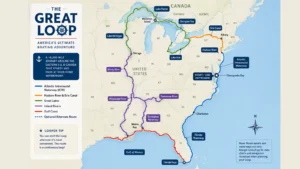
The Great Loop is a continuous boating route of approximately 6,000 miles that circles the eastern United States and portions of Canada. Rather than following a single river or coastline, the Loop connects a network of waterways into one unforgettable adventure.
Along the way, boaters travel through:
- The Atlantic Intracoastal Waterway (ICW)
- The Great Lakes
- Canadian Heritage Canals
- America’s inland river system
- The Gulf of Mexico
One of the most unique things about the Great Loop is that there isn’t a designated starting point. Because it’s a continuous loop, many boaters simply leave from their home marina and eventually return there months or even years later.
The journey is supported by the America’s Great Loop Cruisers’ Association (AGLCA), an organization that provides educational resources, events, and an active community of experienced Loopers. For many first-time adventurers, joining AGLCA is one of the first steps in preparing for the trip.
Where Does the Great Loop Go?
One of the biggest reasons the Great Loop is so memorable is the incredible variety of waterways you’ll experience. No two sections feel the same, and each offers its own scenery, boating conditions, and destinations.
Atlantic Coast
Many Loopers begin along the Atlantic Intracoastal Waterway, cruising past coastal cities, quiet creeks, and historic waterfront towns. From Florida through the Carolinas and into the Chesapeake Bay, this stretch is filled with marinas, anchorages, and countless places worth exploring.
Hudson River & Erie Canal
After passing through New York Harbor, the route heads north on the Hudson River before entering the Erie Canal. Here, coastal cruising gives way to peaceful canal towns, scenic countryside, and your first experience navigating locks.
Great Lakes
The route then opens into the Great Lakes, where destinations like Lake Erie, Lake Huron, Georgian Bay, and Lake Michigan offer some of the most spectacular cruising in North America. Many Loopers consider Mackinac Island one of the highlights of the entire trip.
Inland Rivers
Leaving the Great Lakes behind, you’ll head south through America’s inland river system via the Illinois River, Mississippi River, Tennessee River, and Tennessee-Tombigbee Waterway. Working locks, towering bluffs, abundant wildlife, and welcoming river towns create a completely different boating experience.
Gulf Coast
The final leg brings you along the Gulf Coast, where barrier islands, white sand beaches, and warm weather signal that you’re getting closer to completing the Loop. Eventually, the route reconnects with Florida’s Atlantic coast, bringing you full circle.
Every section offers something completely different, which is why so many Loopers say no two weeks of the journey ever feel the same.
What Kind of Boat Do You Need?
One of the biggest misconceptions about the Great Loop is that you need a specific type of boat. In reality, Loopers complete the journey aboard trawlers, cruisers, powerboats, houseboats, and even some sailboats with removable or shorter masts.
More important than the style of a boat are its capabilities.
Bridge clearances, air draft, fuel range, storage, reliability, and comfort all become important considerations during a trip that could last months. Choosing a boat that fits your cruising style will make the journey far more enjoyable than simply choosing the biggest or fastest vessel.
Planning for the Great Loop
The Great Loop rewards preparation.
Successful Loopers spend months planning before they ever cast off. They’ll monitor seasonal weather patterns, plan around hurricane season, research lock schedules, watch changing water levels, and determine where they’ll stop for fuel and overnight stays.
Popular marinas can fill quickly during peak cruising months, so reservations are often worth making in advance. It’s also important to budget for fuel, dockage, maintenance, provisions, and unexpected repairs because every long-distance journey comes with surprises.
The more planning you do before leaving, the more freedom you’ll have to enjoy the adventure once you’re underway. That’s where Argo becomes a valuable companion, helping you organize routes, save favorite destinations, locate marinas, and adjust your plans when conditions change.
Common Challenges
No Great Loop goes exactly according to plan.
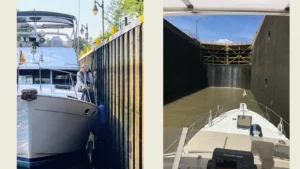
Weather delays, long cruising days, busy locks, bridge clearances, mechanical issues, and changing river conditions are all part of the experience. Sometimes you’ll wait an extra day for better weather. Other times, you’ll change your destination because you’ve discovered somewhere worth staying longer.
The key isn’t avoiding every challenge. It’s staying flexible, preparing ahead, and making informed decisions throughout the journey.
How Argo Can Help Along the Way
Planning a trip of this scale takes more than paper charts and good intentions.
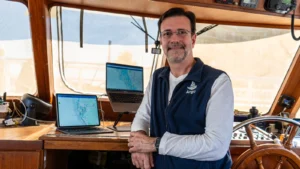
Whether you’re mapping out your entire Loop months in advance or simply planning tomorrow’s route, Argo helps keep everything organized in one place.
With Argo, you can:
- Plan routes between destinations before getting underway.
- Find marinas, fuel docks, and other useful stops along your route.
- Stay aware of changing weather conditions that may impact your plans.
- Save favorite anchorages and destinations to revisit later.
- Explore recommendations and updates from other boaters.
- Share your adventure with friends and family as your journey unfolds.
While every Looper’s route is unique, having reliable planning and navigation tools makes it easier to focus on what matters most: enjoying the adventure.
Final Thoughts
Completing the Great Loop isn’t about how quickly you finish. It’s about the places you discover, the people you meet, and the memories you create along the way.
By the time you return to your home marina, you’ll have traveled roughly 6,000 miles, crossed some of North America’s most iconic waterways, and experienced boating in a way few people ever will. The Great Loop isn’t simply another trip. It’s a journey that stays with you long after you’ve tied up at the dock.
If the Great Loop has been on your bucket list, there’s no better time to start planning. Download Argo, build your first route, and take the first step toward the adventure of a lifetime.
Photo Credit: All photos courtesy of David Rowe and Stacey Guth from their website AboardStinkpot.com