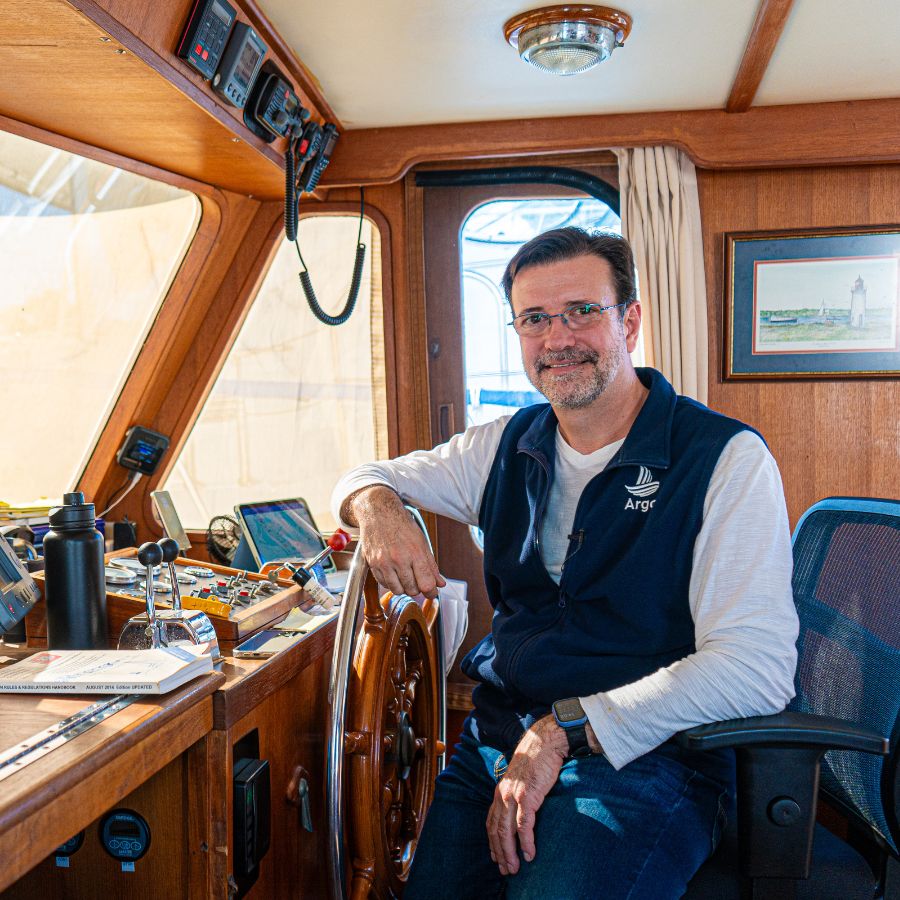
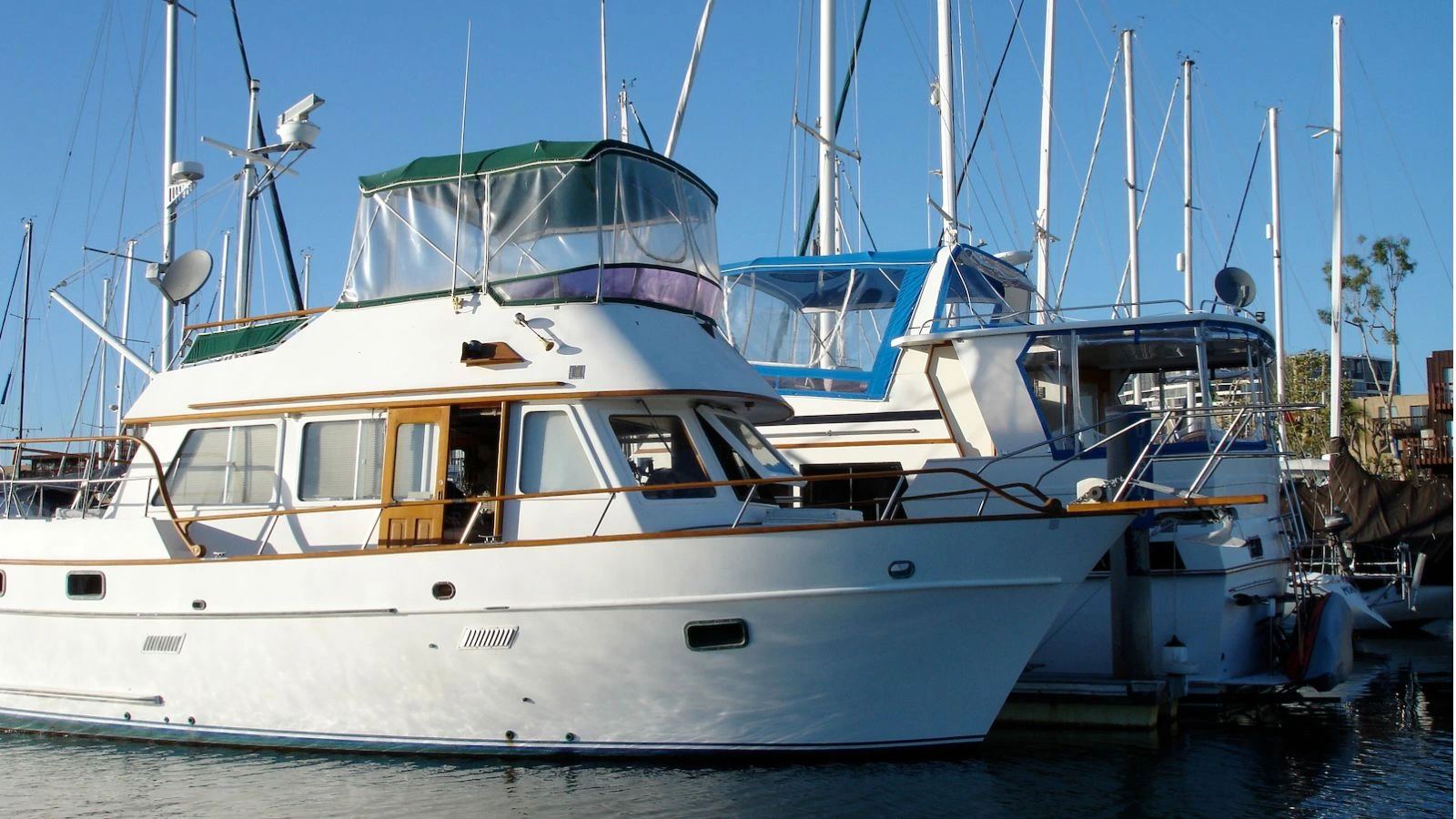
When I bought my 1982 DeFever 44 a little over a year ago, its electrical system needed upgrading.
The previous owners had tried, but the technicians they brought in were clearly ill-equipped to deal with the problem, at least to my satisfaction and to ABYC’s minimum standards. This naturally led me, almost immediately, to begin designing an entirely new system that would expand the system for full-time living aboard while correcting those technical and safety shortcomings. That new system is now, a little over a year later, about to be energized. In the meantime, however, I still had to make the existing system safe enough to use while the plans evolved.
That began with an uncomfortable 95°F day spent searching out, finding, and repairing the electrical fault that, according to the previous owner’s records, two expensive and supposedly “qualified” marine technicians had created, then tried—and failed—to fix.
Without getting too deep into the typical movements of electrons on a boat, the shore-power system was tripping ELCI breakers dockside after the first technician installed a Victron inverter/charger. The problem was not discovered immediately because it only became apparent in marinas upgraded to the NEC’s current standards for shore power, complete with the now-required ELCI breaker protection.
The first technician had connected both sides of the inverter directly to the boat’s main neutral bus instead of isolating them as required. The resulting current imbalance was exactly the condition the shoreside ELCI was designed to detect—current taking an unintended path, causing the ELCI to disconnect the power.
The second technician couldn’t find the problem, so he settled on a remarkably effective, if expensive and dangerous, workaround. He installed a transfer switch that “moved around” the boat’s neutrals and grounds—both—in an attempt to isolate the fact that the inverter had been wired incorrectly. As long as the switch was in the “right” position, the ELCI would not trip.
The problem had not been fixed. It had been concealed from both the Victron and the ELCI (neither of which really approved of the fault).
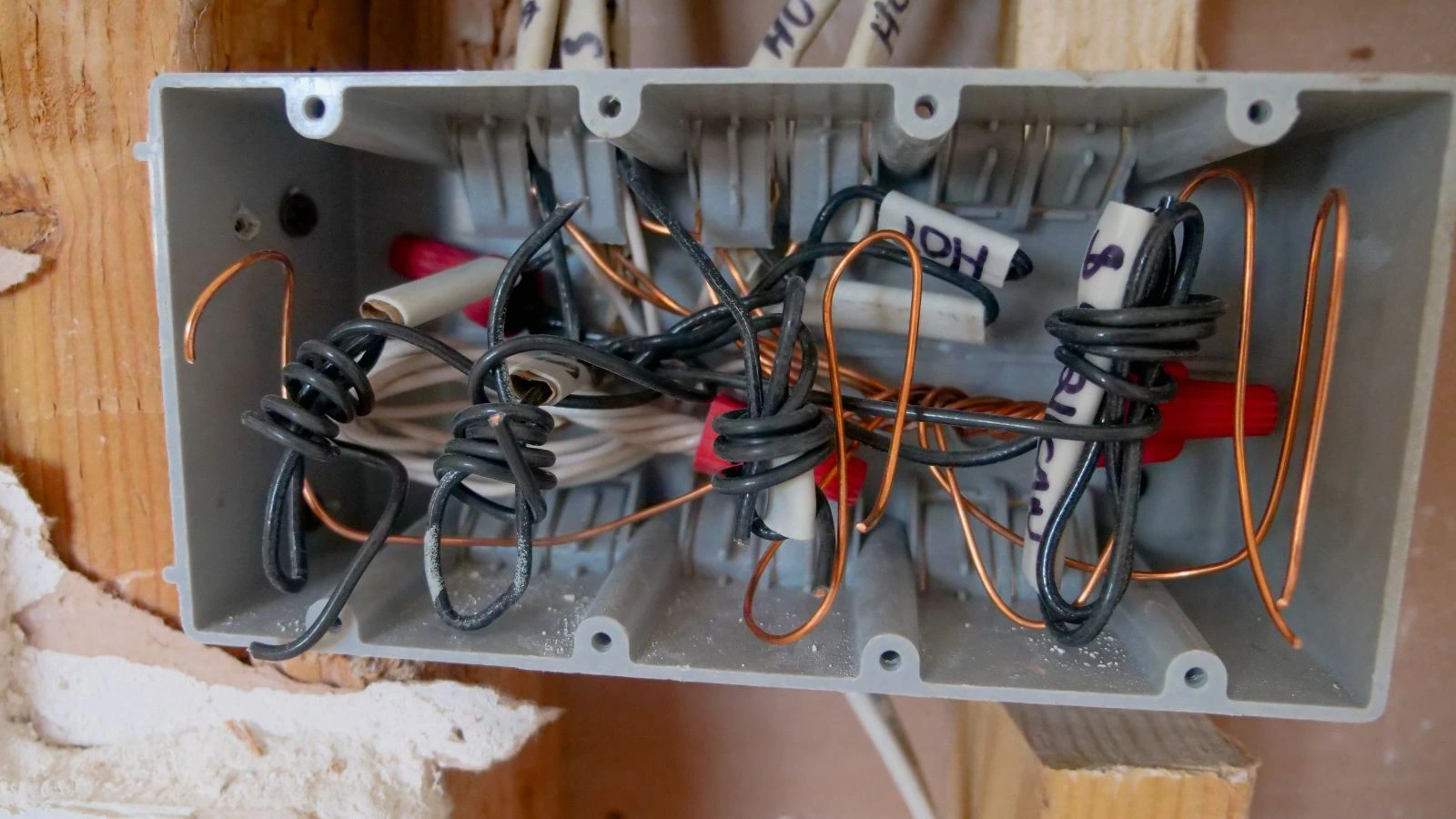
Worse, the solution violated a fundamental electrical safety principle: do not switch on the ground plane. ABYC E-11, §11.5.3.5, 2023–2024 edition, states it more formally: “There shall be no switch or overcurrent protection device in the AC grounding (green) conductor.”
His “fix” created a situation in which a protection system intended to detect a potentially dangerous fault had effectively been circumvented rather than repaired. A fault involving the boat’s electrical system can have consequences ranging from equipment damage to fire or the energizing of underwater components. Those are precisely the sorts of hazards that marine electrical standards and devices such as ELCIs are intended to prevent.
Boats are replete with plenty of obvious ways for the uninitiated to get injured, but today I want to raise a lesser-known hazard: technician inexperience.
The Big Blue Book
The ABYC, the American Boat & Yacht Council, publishes what many in the marine industry refer to as the “big blue book.” It contains the standards to which boats should be built, modified, or repaired.
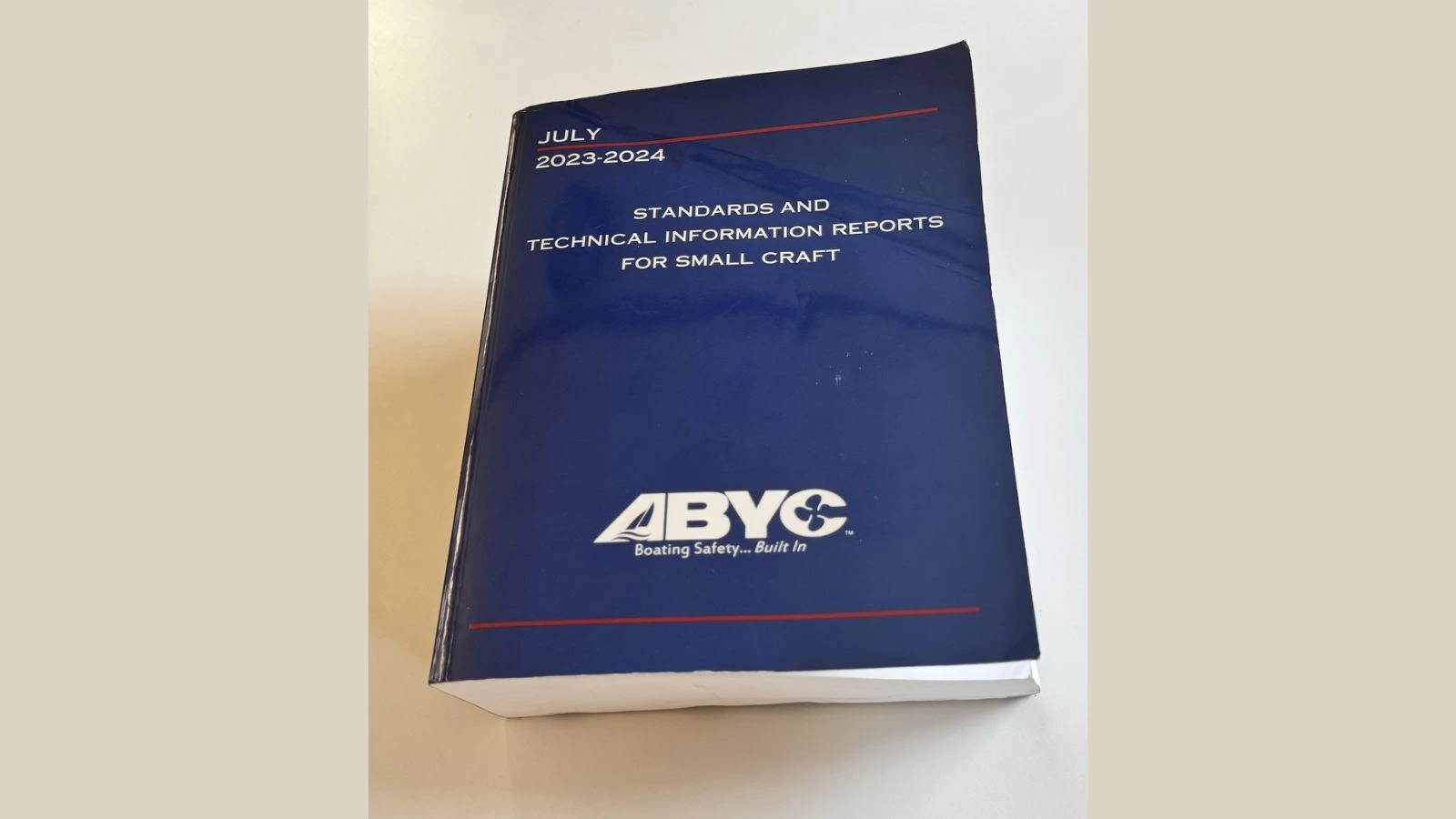
It is a heavy, pricey tome that covers everything from proper methods and materials for wiring a boat to fuel systems, safety and detection systems, hull and deck construction, and virtually every other system that might be found aboard. It is an exhaustive attempt to codify the accumulated knowledge of the recreational marine industry and to establish how those systems should be designed and installed.
These standards exist for a reason. Boats present combinations of interacting systems and hazards that do not exist in other environments. A house is not floating in salt water. A car is not connected to shore power while floating on an electrolyte. A residential electrical system does not have to account for the same combination of AC power, DC power, batteries, bonding systems, underwater metals, generators, inverters, engines, fuel, and people sleeping a few feet away from all of it—the details matter.
The cost of the book and membership in the ABYC is part of how the organization supports the continuing work required to maintain those standards as technology, equipment, and industry practices change. The “non-professional” cost to join and gain online access to the standards currently runs about $215 per year, with five days of free trial online access to the standards library. That means, if you are doing a quick project, a needed peek at the standards could be free, and if you are doing a BIG project like my electrical overhaul—well, let’s just say that the membership is just about 1% the cost of my upgrade. I spent a lot more on wire.
Anyone undertaking an expensive, large-scale upgrade to a boat benefits from having access to those standards and best practices. Even if you intend to hire someone else to do the work, understanding what the standards require gives you a much better basis for evaluating the work being proposed and performed.
For those who are content to “hire it done,” there is an even simpler piece of advice: before you start writing checks with lots of zeros at the end, make sure you are hiring people who are actually qualified to perform the work. Seek out ABYC-certified technicians.
This distinction matters because “marine technician” is not a single area of expertise.
A Specialist Is Not a Generalist
Most marine tradespeople come into the field with a specific area of expertise, and without additional training, that is generally where their expertise ends.
A good mechanic—an engine guy—should not be pulling wire and connecting a Victron inverter/charger simply because the work happens to be on a boat. The same goes for a carpenter, plumber, electronics technician, or even upholsterer working outside his particular discipline.
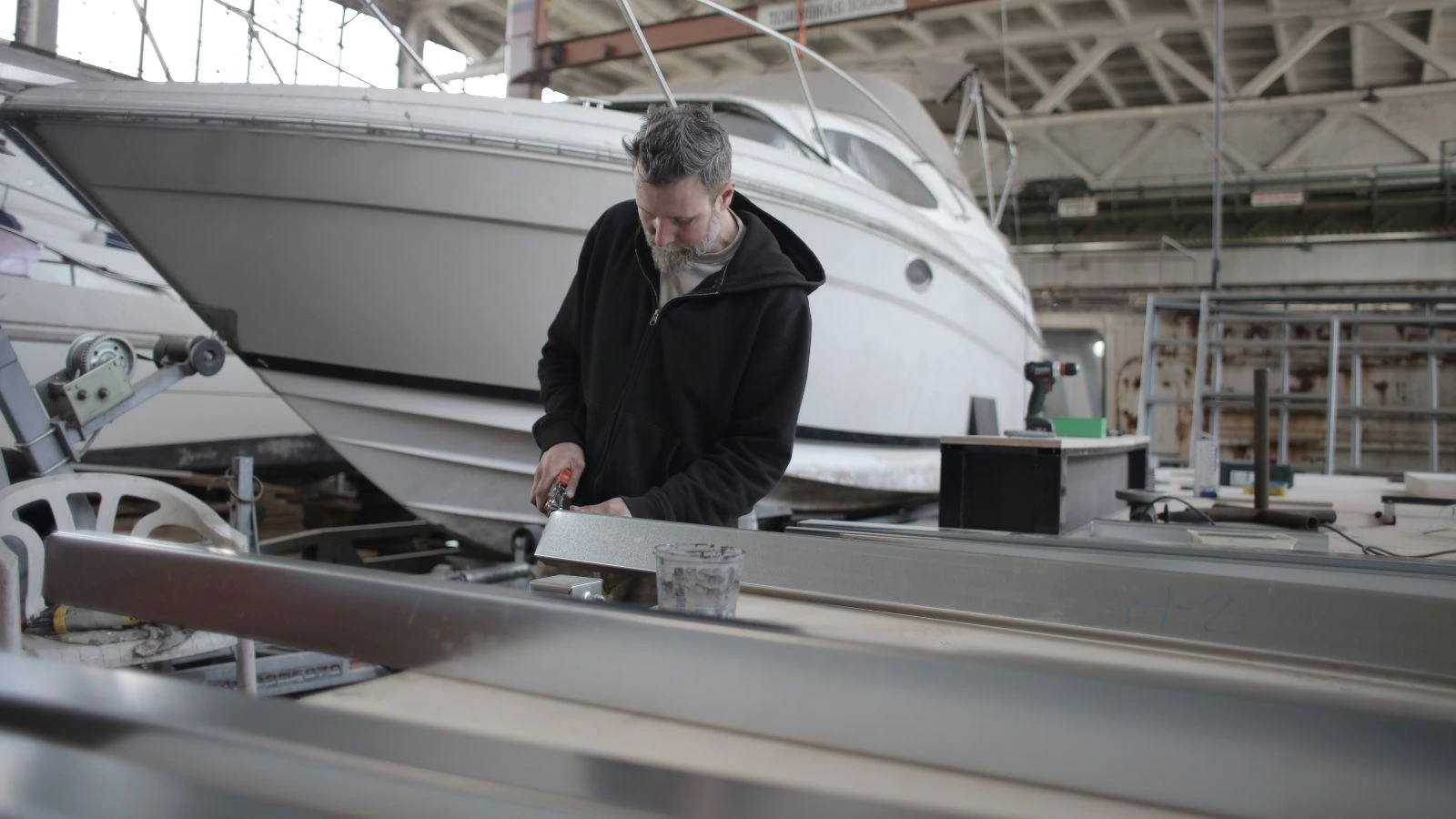
Even a qualified electrician trained under the National Electrical Code should not automatically be wiring on boats until he or she understands the specific problems presented by marine electrical systems. That is why “marine electrician” is a thing. The NEC and ABYC standards address different environments and, in some cases, different problems.
That is what the ABYC standards are all about.
ABYC technician certification and the required education that precedes it can take a specialist with a solid foundation in his own trade and give him the additional knowledge necessary to work competently across the trades in a marine environment. Just as importantly, that training should help him recognize when a problem extends beyond his own expertise and when another specialist needs to be brought in. That ability to recognize the limits of one’s own competence is an important part of being a professional. A good technician does not need to know everything about a boat. He needs to know what he knows, what he does not know, and when he needs to call someone who does.
The alternative is what happened on my boat: a technician encountered a problem outside his competence, could not find the cause, and devised an expensive workaround that defeated an important safety principle rather than solving the underlying problem.
Experience Is Not the Same as Qualification
There is a natural tendency among boat owners to judge a tradesperson by experience. “He’s been working on boats for thirty years.” That is useful information, but it is not necessarily the information that matters most.
Thirty years of experience repairing diesel engines does not qualify someone to design a marine electrical system. Twenty years of working on recreational boats does not necessarily mean someone has kept current with the standards governing the systems he is now modifying. Practical experience is enormously valuable, but experience in one discipline does not automatically confer competence in another.
None of this means that an uncertified technician is necessarily incompetent. There are undoubtedly excellent marine tradespeople with decades of practical knowledge who have never pursued or have neglected to maintain an ABYC certification. The problem for the boat owner is that competence is difficult to judge from the outside.
Certification provides an objective qualification that demonstrates technicians have undertaken the relevant coursework and testing, have made an investment in continuing education, and have access to the latest standards governing their work and best practices. ABYC Certification is not a guarantee that a technician will never make a mistake, but it does give the customer considerably more reason to believe they are hiring someone who understands the standards, understands the environment in which they are working, and understands the limits of their own knowledge.
That is a considerably better starting point than a Yelp review.
Don’t Hire Unqualified People
All of this is really a long way of saying something remarkably simple: Don’t hire unqualified people. When you are about to spend thousands, or tens of thousands, of dollars on a boat project, the temptation to shop primarily on price is understandable. It is also one of the easiest ways to make an expensive project considerably more expensive. The difference between a qualified technician and an unqualified one may be a few dollars an hour. The difference in the final invoice may be surprisingly small. The difference in the quality of the work can be enormous.
Good technicians charge for far more than their time. You are paying for training, experience, continuing education, standards, tools, judgment, and the ability to recognize problems before they become disasters. The unqualified technician may charge nearly as much, but you may not discover the difference until something goes wrong.
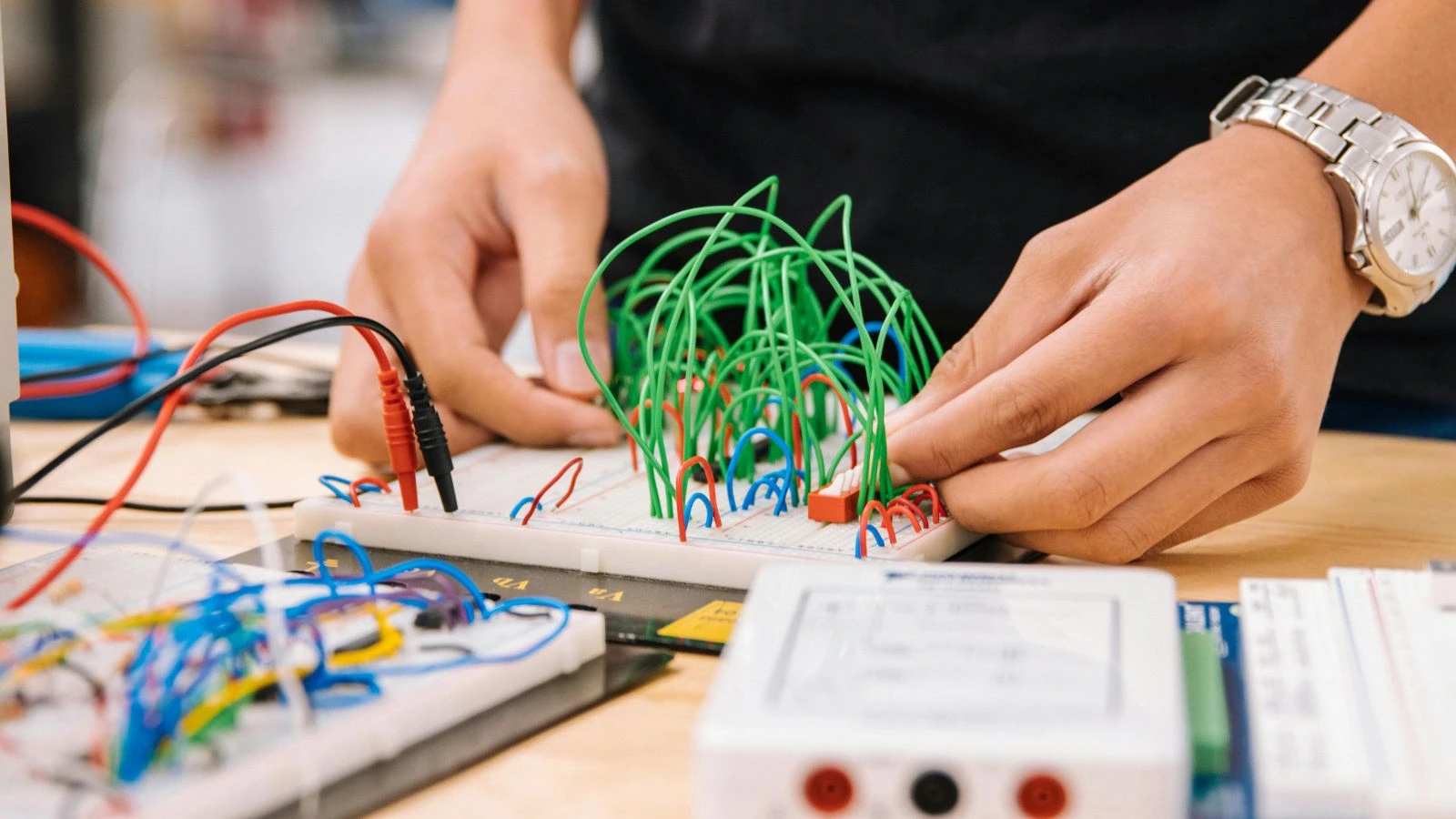
That is when the economics become particularly ugly. You can pay a qualified professional to do the job correctly, or you can pay someone else to do it incorrectly and then pay a qualified professional to find and repair what the first did—or pay successive unqualified individuals, as the previous owners of my boat did, and never see a difficult problem solved.
The owner/vessel master ultimately remains responsible for what happens aboard. That responsibility cannot be delegated simply because a job has been handed to a professional. You can hire someone to maintain your engines, wire your electrical system, service your fuel system, or perform any number of other jobs, but you remain responsible for deciding who is competent to do that work.
If an incompetent technician fails dangerously at a task, that technician may ultimately share the legal liability. The owner may even have a claim against the technician for negligent work. None of that changes the fundamental reality that an incident happened aboard the boat, and damages recovered afterward cannot undo a death or serious injury.
The owner/vessel master therefore has a responsibility that extends beyond maintaining the boat and operating it safely. The owner/vessel master must exercise sound judgment about who is permitted to modify, maintain, or repair the vessel and must make reasonable efforts to ensure that those people are competent to perform the work they undertake.
Look for the certifications. Ask what standards the technician works to. Ask whether they are ABYC-certified in the discipline for which you are hiring them. Most importantly, pay attention to how they respond when you ask a question that is outside their area of expertise. A technician who says, “I don’t know, but I know who does,” is giving you a much better answer than the technician who confidently improvises.
The ABYC standards are, in a very real sense, written in blood. Every standard represents accumulated knowledge about things that can go wrong, often learned because something went wrong badly enough that the industry as a whole decided it should never happen that way again.
The qualified vessel master understands that and does everything possible to make sure it does not happen on their watch.