
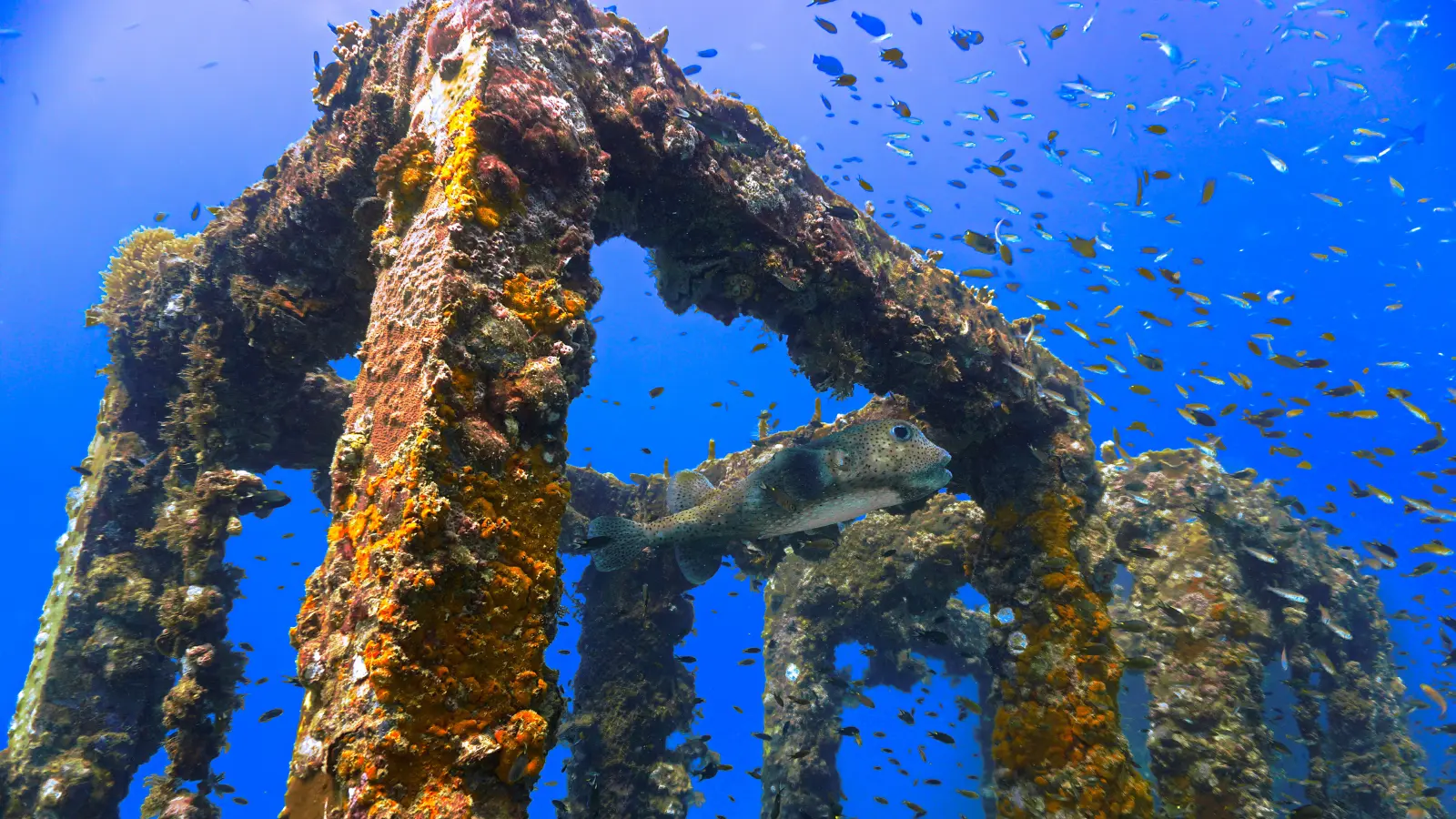
If you’ve ever wondered why one patch of open water seems to be full of fish while another is completely empty, the answer might be sitting just beneath the surface.
Across the U.S., thousands of artificial reefs have been built to create habitat for marine life. Some are purpose-built concrete structures. Others are retired Navy ships, bridge sections, or offshore platforms that have been carefully cleaned and intentionally placed on the seafloor.
Today, they’re some of the most productive places to fish, incredible dive sites, and thriving underwater ecosystems.
And with Argo, many of them are already marked on your map.
What Is an Artificial Reef?
An artificial reef is a manmade structure that’s intentionally placed underwater to create habitat for marine life.
Think of it as an underwater neighborhood.
Many areas of the ocean floor are nothing more than sand or mud. While fish can still live there, there’s very little structure to provide shelter, food, or places to reproduce. Adding a shipwreck, concrete reef, or other stable structure instantly changes that.
According to NOAA, submerged shipwrecks are the most common type of artificial reef, but bridges, oil and gas platforms, lighthouses, and specially designed concrete structures are also used. These reefs give corals, sponges, fish, and countless other marine organisms a place to settle and grow.
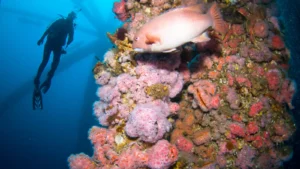
The transformation can happen surprisingly fast. Algae begin growing on the structure first, followed by barnacles, oysters, and sponges. Those organisms attract small fish looking for food and shelter. Before long, larger predators move in, creating a healthy underwater food chain where there was once very little life.
From Warships to Wildlife
One of the most famous artificial reefs in the United States is the USS Spiegel Grove, located off Key Largo, Florida.
At 510 feet long, about the length of a city block, it was the largest ship ever intentionally sunk as an artificial reef when it was deployed in 2002. More than twenty years later, it’s covered in corals, sponges, and marine growth, with schools of fish constantly moving around the wreck. It’s now one of the most popular dive sites in the country.
Another well-known example is the Thunderbolt, a former military research vessel sunk near Marathon, Florida, in 1986. What was once a working ship is now home to colorful corals, hydroids, sponges, reef fish, and countless other marine species.
These aren’t abandoned wrecks. They’re planned reef projects designed to support marine life for decades.
Why Artificial Reefs Matter
Artificial reefs aren’t just interesting places to visit. They serve an important purpose for both marine ecosystems and the boating community.
They create new habitat.
Many coastal areas simply don’t have enough natural structure to support large populations of reef species. Artificial reefs give fish, crabs, lobsters, corals, and other marine life places to hide from predators, feed, and reproduce. Marine resource managers often build reefs specifically to improve habitat in areas that need it.
They create better fishing.
If you’ve ever noticed several boats fishing the same offshore spot, there’s a good chance they’re sitting over a reef.
Artificial reefs naturally attract baitfish, which attract larger game fish. Species like snapper, grouper, amberjack, cobia, black sea bass, and many others are commonly found around reef structures depending on the region.
That’s why experienced anglers keep reef coordinates close, and why many states continue expanding their artificial reef programs.
They become incredible dive sites.
Artificial reefs offer something natural reefs can’t: the chance to swim through history.
Divers can explore retired ships while seeing marine life that has made the wreck its home. Over time, many wrecks become so covered in marine growth that they begin to resemble natural reefs.
They support local communities.
Artificial reefs also bring people to the water.
Anglers, divers, snorkelers, photographers, and recreational boaters travel to visit reef sites, supporting local marinas, bait shops, restaurants, hotels, and charter businesses. In Florida alone, more than 3,800 public artificial reefs have been deployed since the 1940s, making it one of the most active artificial reef programs in the country.
Are Artificial Reefs Good for the Ocean?
When they’re properly planned and managed, absolutely.
Modern artificial reefs are built using durable materials like concrete, limestone, and steel that are designed to remain stable for decades. Before a reef is ever placed, scientists carefully study water depth, currents, bottom conditions, nearby habitats, and environmental impacts.
Just as important is what doesn’t become an artificial reef.
Simply dumping old materials into the ocean isn’t reef building. NOAA notes that illegal dumping has caused environmental problems in places like the Florida Keys, which is why today’s reef projects follow strict environmental guidelines and are closely monitored.
Finding Artificial Reefs Used to Be Difficult
Not long ago, finding artificial reefs usually meant searching state websites, downloading coordinate lists, or manually entering GPS numbers into your chartplotter.
Now, it’s much simpler.
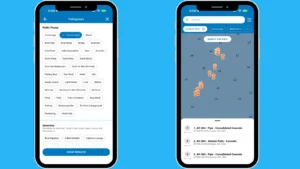
Argo includes artificial reefs right on the map, making it easy to discover new places to fish, dive, or explore while planning your next trip.
To find them:
- Open the Argo app.
- Click the magnifying glass in the upper right-hand corner.
- Click the third option, “search categories”.
- Under Public places, click artificial reef.
- Zoom in to explore nearby reef locations.
- Tap a reef for more information and start navigating.
Need help? Watch our quick walkthrough!
Whether you’re planning a fishing trip offshore or looking for your next dive destination, having reef locations built directly into your charts means less time searching and more time on the water.
Your Next Favorite Spot Might Be Underwater
Some of the most interesting places on the water aren’t visible from the surface.
A retired Navy ship, a purpose-built concrete reef, or an old bridge section could be supporting thousands of fish just beneath your boat. These hidden ecosystems have become some of the best places to fish, dive, and experience marine life up close.
The next time you’re planning a trip, turn on the Artificial Reefs layer in Argo. You might discover a productive fishing spot, an incredible dive site, or simply gain a new appreciation for what’s happening beneath the waves.
Sources
- National Oceanic and Atmospheric Administration (NOAA). What is an Artificial Reef? https://oceanservice.noaa.gov/facts/artificial-reef.html
- Florida Fish and Wildlife Conservation Commission. Artificial Reef Program. https://myfwc.com/fishing/saltwater/artificial-reefs/